Proudly serving Mesa, Gilbert, Chandler, Tempe, Queen Creek, Scottsdale & surrounding areasCall or Text 24/7: 602-559-1623
Aerial drone photo of residential neighborhoods and desert vegetation in Mesa, AZ.

EV Charger Installation in Apache Junction, AZ for Wall Connectors & Outlets

Mesa EV Chargers installs Tesla Wall Connectors, NEMA 14-50 outlets, and hardwired EV chargers in Apache Junction, AZ. We also handle commercial and fleet charging, panel upgrades, and dedicated charging circuits. Our services include EV charger repair, replacement, and charging infrastructure for multifamily and apartment properties.

Homes built during Apache Junction's 1970s and 80s growth boom can need electrical work before adding home charging. Summer garage temperatures regularly climb past 120°F, making equipment selection and circuit planning especially important. We assess your panel, parking layout, and charging needs before recommending an installation. Contact us for a site assessment and a firm quote that accounts for the work your property needs.

Our local service area includes Golden Gate, Superstition Vistas, Peralta Trail, and the Superstition Mountain foothills. We also work along Ironwood Drive and near the Apache Trail and Old West Highway junction.

★ ★ ★ ★ ★4.9/5 Customer Rating - 19 Years of Electrical Experience - 2,000+ Charging Projects Completed - Licensed, Bonded & Insured - Serving Homes, Fleets & Businesses
EV Charging Services

EV Charger Installation and Repair in Apache Junction, AZ

From a single-family garage to a 40-unit apartment complex, we plan charging around the property, vehicle, and available electrical capacity. Property owners coordinating projects in Apache Junction and San Tan Valley, AZ can discuss both locations during the initial consultation. The services below cover new installations, electrical preparation, and support for existing chargers.

Tesla Wall Connector Installation
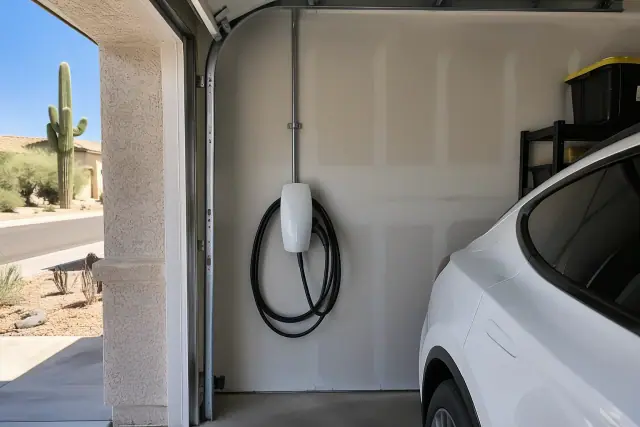
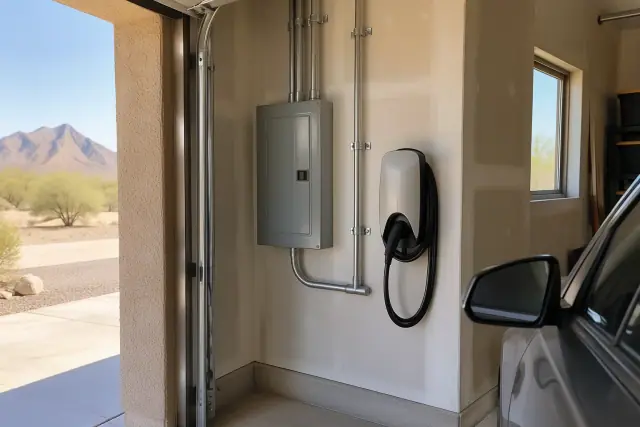
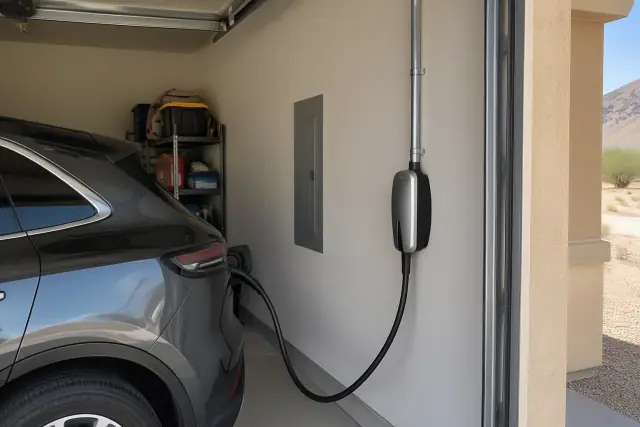
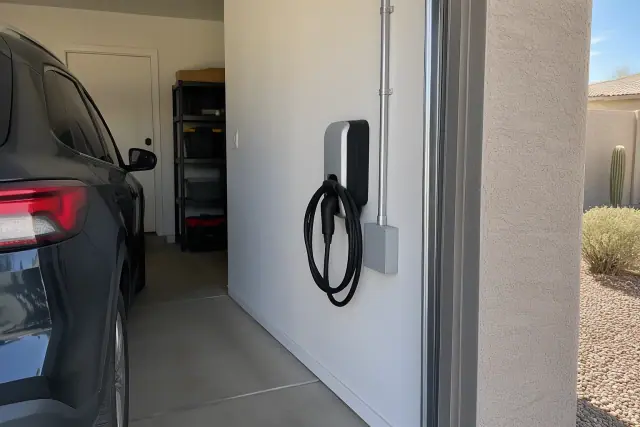
Tesla Wall Connector installed on a garage wall in Apache Junction, AZ with conduit and a parked vehicle.

The hardwired, 240V Tesla Wall Connector delivers up to 44 miles of range per hour on most Tesla models. We assess panel capacity, select the wire gauge and continuous-duty breaker, and register the unit for Tesla app monitoring. Explore Service →

Explore Service
NEMA 14-50 Outlet Installation

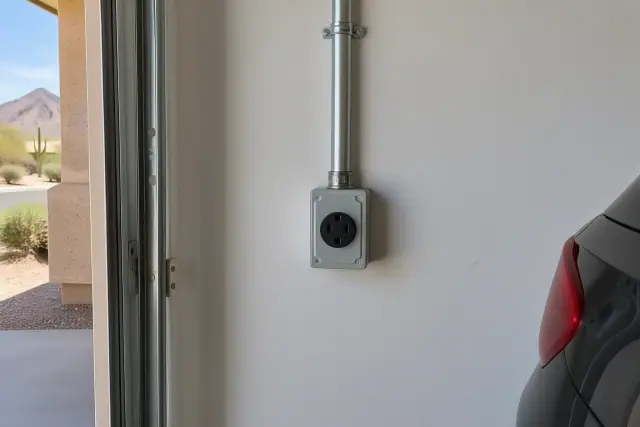
NEMA 14-50 outlet installation on a drywall wall in Apache Junction, AZ.

A NEMA 14-50 outlet supports compatible charging cables and adapters for different EV brands. We install a dedicated 50-amp circuit and a grounded outlet, typically mounted 18-24 inches above the garage floor for cord clearance. Explore Service →

Explore Service
Commercial EV Charger Installation

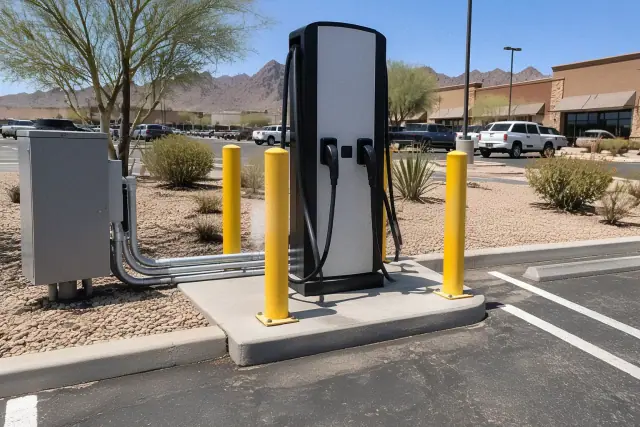
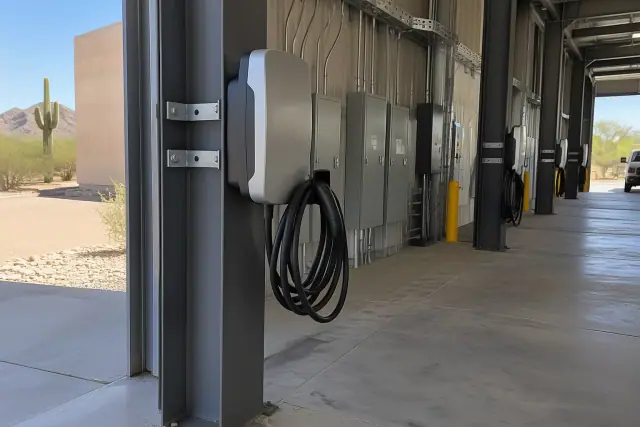
Commercial EV charger installation on a concrete island in Apache Junction, AZ.

Businesses along Idaho Road and the Superstition Boulevard corridor can add charging for customers and employees. We evaluate commercial panels, coordinate with property managers and utilities, and plan Level 2 or DC fast charging with three-phase power considerations where needed. Explore Service →

Explore Service
EV Charger Repair & Troubleshooting

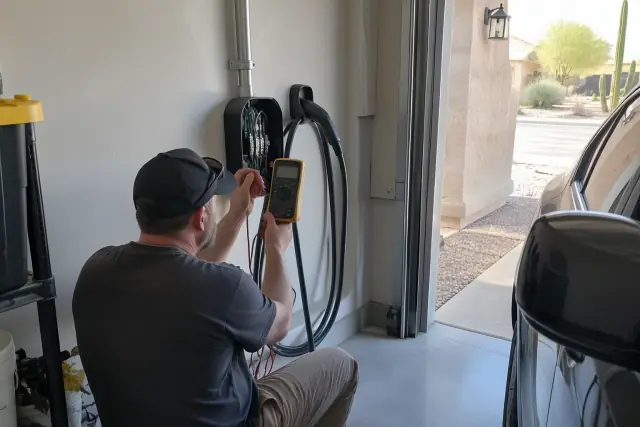
EV charger repair and troubleshooting in a residential garage in Apache Junction, AZ.

Charging interruptions, error lights, and repeated breaker trips call for checks at both the charger and panel. We investigate loose connections, failing contactors, undersized circuits, and monitoring problems before recommending repair or replacement.

EV Charger Panel Upgrades

EV charger installation with conduit on an interior wall in Apache Junction, AZ.

Many homes built before the 1990s still have 100-amp electrical service. We calculate the combined load from charging, HVAC, pool equipment, and well pumps, then scope an upgrade to 150 or 200 amps where needed.

EV Charger Dedicated Circuit Installation

EV charger dedicated circuit installation on an interior wall in Apache Junction, AZ.

A new charging circuit must fit the panel's available capacity and the charger's continuous load. We assess whether a 40-60 amp EV circuit is appropriate and select the breaker, wire, grounding, and route for that installation.

Hardwired EV Charger Installation

Hardwired EV charger installation on an interior wall with electrical conduit in Apache Junction, AZ.

A hardwired charger connects directly to its dedicated circuit without a plug-and-outlet interface. That removes a connection point that can loosen or corrode and makes this setup worth considering for garages and outdoor locations exposed to Arizona heat and dust.

Fleet EV Charging Station Installation

Fleet EV charging station installation inside a commercial building in Apache Junction, AZ.

Delivery vans, service trucks, and rental fleets need charging that fits their operating schedules. We design multiple-station layouts with load management that staggers charging across vehicles and accounts for the building's capacity and utility demand charges.

Multifamily & Apartment EV Charger Installation

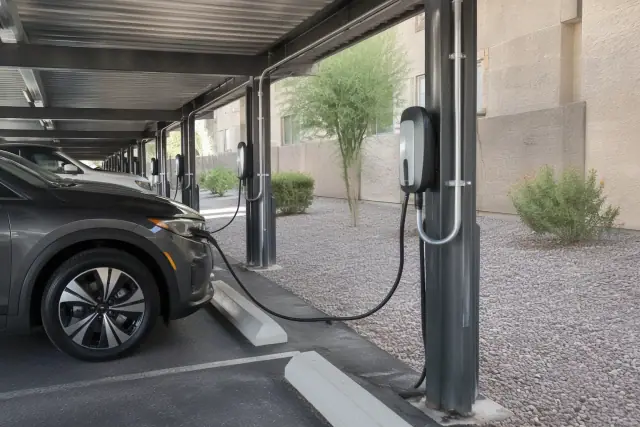
Contractor photo of EV charger installation under a carport in Apache Junction, AZ.

We plan charging for apartment complexes, HOAs, and condo associations using individual metering or shared load management. Assigned parking, shared carports, conduit routes, and applicable ADA accessibility requirements are evaluated with the property owner or management team.

EV Charger Replacement & Upgrades

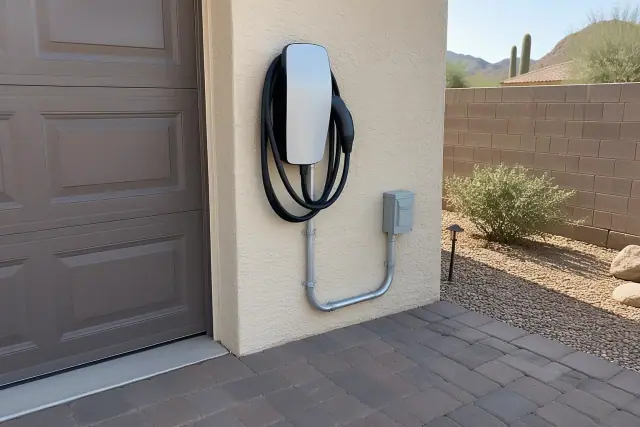
Newly installed EV charger on a brick driveway wall in Apache Junction, AZ.

We replace chargers that are beyond economical repair and upgrade older Gen 2 equipment to Gen 3 Wall Connectors. Existing wiring is reused only where it remains properly sized and code-compliant; adding another EV may call for shared load management or an additional dedicated circuit.

Choose Your Charging Setup

Match Your EV Charger to Your Property

The right charging setup depends on your vehicle, parking arrangement, electrical capacity, and daily routine. These choices help define the equipment and installation scope before work begins.

Match Charging Speed to Your Vehicle

Level 2 charging typically adds 20-40 miles of range per hour on 240V power, compared with 3-5 miles per hour from a standard 120V outlet. We review your vehicle specifications and charging needs before recommending hardware.

Compare Plug-In and Hardwired Charging

A plug-in outlet offers flexibility for compatible charging cables, while hardwiring removes the outlet connection. Your equipment choice and exposure to heat or dust help determine which approach fits the installation.

Confirm Available Panel Capacity

Available breaker slots are only part of the assessment. We also calculate existing electrical loads so the charger can operate alongside household equipment, and include a panel upgrade in the scope when required.

Plan the Cable Reach and Circuit Route

The mounting point must put the connector within reach of your vehicle's charging port. Distance from the panel, conduit routing, and trenching for a detached garage also shape the installation.

Choose How Shared Parking Will Charge

For apartment and HOA parking, individual metering and shared load management address different property needs. We review assigned spaces, carports, ownership arrangements, and the existing electrical infrastructure with management.

Compare the Complete Installation Scope

Panel work, wire-run distance, trenching, and permit fees can change the total cost. Our site assessment leads to a firm quote that identifies the electrical work required before installation begins.

Local Charging Challenges

Common EV Charging Problems

With nearly 38,500 residents spread across Apache Junction and limited public charging compared with central Phoenix or Scottsdale, dependable charging at home or work matters. Heat, aging electrical service, and equipment faults can each affect performance, so we check the cause before recommending changes.

Request Charger Assessment

Heat-Related Charging Slowdowns

Summer ambient temperatures regularly exceed 110°F, and some chargers reduce output as temperatures rise to protect their internal components. We check thermal behavior alongside wire insulation ratings and the installation environment.

An Overloaded Electrical Panel

A charger adds a substantial load to a home already running air conditioning, pool equipment, or a well pump. A load calculation helps identify when the existing service needs an upgrade before charging is added.

Repeated Breaker Trips

Recurring trips can point to an undersized circuit or a connection problem. We inspect the panel and charging equipment to determine whether the issue calls for circuit work, a repair, or equipment replacement.

A Wall Connector That Will Not Charge

Error lights and a stopped charging session can involve a loose connection or failing contactor. We diagnose the circuit and unit together before assuming the entire charger needs replacing.

Unreliable App Monitoring

Wi-Fi connectivity problems can affect Tesla app monitoring even when the underlying issue differs from an electrical fault. We check connectivity as part of troubleshooting intermittent charging reports.

Adding a Second EV

Two vehicles can exceed the charging capacity planned for the original installation. We assess shared circuit solutions, load management, and additional dedicated circuits against the panel's remaining capacity.

Why Choose Mesa EV Chargers

EV Charging Expertise for Apache Junction, AZ

Our electricians work on EV charging installations daily, including the circuit preparation, mounting, configuration, and testing involved. We bring that focus to homes, shared parking areas, commercial properties, and fleets.

Local Permit and Utility Knowledge

Apache Junction spans Pinal and Maricopa counties, with permitting and utility details that depend on the exact address. We identify the serving utility, SRP or APS, and the appropriate local department when planning the project.

Tesla Certification and Electrical Licensing

Mesa EV Chargers holds Tesla certification and an active Arizona Registrar of Contractors license. Our team handles Wall Connector installation and also installs Tesla Powerwall systems for homeowners coordinating solar production and evening charging.

Manufacturer-Specific Installation and Testing

We use the wire gauges, breaker types, and connection torque values required for the equipment being installed. Testing the completed circuit under load is part of the installation process.

From Assessment to Testing

Our EV Charger Installation Process

We establish the electrical scope before installing the charger. The process covers a site assessment, panel evaluation, quote, permitting, installation, and testing.

01.

Assess the Parking and Mounting Area

We visit the garage or parking area and identify the proposed mounting point. The distance from the panel, cable reach, conduit path, and any detached-garage trenching needs are considered together.

02.

Evaluate the Electrical Panel

We check total service amperage, existing loads, and available breaker slots. If the panel cannot support the proposed charger, the project scope includes the necessary electrical upgrade.

03.

Confirm the Quote and Equipment

We recommend charging equipment based on the vehicle and electrical assessment. The firm quote accounts for permit fees and required panel work so the installation scope is clear before work begins.

04.

Arrange Permits and Inspection

We handle the permit application through the appropriate local building department and schedule the required electrical inspection. The property's location determines whether city or county coordination is needed.

05.

Install the Circuit and Charger

After permit approval, we run the dedicated circuit, mount the charger, and torque connections to the manufacturer's specifications. Wiring, breaker selection, and grounding are matched to the equipment and approved scope.

06.

Test Charging Under Load

We test the full circuit under load before considering the installation complete. For Tesla equipment, setup also includes registration so the Wall Connector appears correctly in the Tesla app.

Charging by Property Type

EV Charging for Homes, Apartments, and Businesses

Case Study 1: Home charging: A dedicated charger is planned around the garage or driveway layout and the electrical demands of the whole home. Panel checks help account for HVAC, pool pumps, and well pumps before another load is added.

Case Study 2: Apartment charging: Assigned parking and shared carports call for decisions about metering, load sharing, and conduit routing. We coordinate with owners and property managers to keep tenant disruption minimal during installation.

Case Study 3: Commercial and fleet charging: Retail properties and vehicle fleets need equipment suited to traffic and operating schedules. We take on projects across the greater Phoenix metro when the scope fits our EV charging infrastructure services.

Plan Your EV Charger Installation

Request an EV Charging Consultation

Tell us about your vehicle, parking location, and any existing charging problems. Mesa EV Chargers will assess the installation and provide a firm quote for the required work. Our regular East Valley service area includes Apache Junction, Gold Canyon, Queen Creek, and east Mesa.

EV Charging Questions

EV Charger FAQs for Apache Junction, AZ

Find answers about Wall Connector pricing, installation requirements, charging performance, and options for homes and shared parking. A site assessment confirms the scope for your particular property.

Call Our Experts

A straightforward installation with a nearby panel and available capacity typically costs $1,200 to $2,000. Longer wire runs, trenching, or a subpanel can bring the cost to $2,400 to $3,500 or more. Mesa EV Chargers provides a firm quote after the site assessment, including permit fees and required panel work.

Installed pricing is roughly $1,200 to $2,400 for most Apache Junction homes with adequate existing panel capacity. The Gen 3 unit's hardware cost is separate from installation labor, and a required panel upgrade increases the total project cost. The site assessment confirms the equipment and electrical work included in your quote.

A licensed electrician can wire the required circuit, while familiarity with Tesla equipment also matters for mounting, wiring, and network configuration. Mesa EV Chargers holds Tesla certification and Arizona electrical licensing. We assess the panel and follow the equipment's installation requirements.

Yes, a permit and electrical inspection are part of the installation. We handle the application through the City of Apache Junction Building Safety Division or the Pinal County Building Safety Department for unincorporated properties, as appropriate to the address. Inspection reviews details such as breaker sizing, wire gauge, and grounding.

Most straightforward residential installations take four to eight hours and are completed in a single day. Panel upgrades, trenching to a detached garage, or extensive conduit runs can extend the work to two days or longer. Permit approval and inspection scheduling also affect the overall timeline.

A Gen 3 Wall Connector can deliver up to 48 amps continuously on a properly sized 60-amp dedicated circuit. We match the circuit to the panel's capacity and follow National Electrical Code Article 625 for EV charging equipment, including appropriate wiring, breaker selection, and grounding. The mounting location must also place the connector within reach of the vehicle's charging port.

The amount depends on driving mileage, vehicle efficiency, and the utility rate at your address. Charging at off-peak times on an applicable time-of-use plan can change the cost compared with daytime charging. Review your SRP or APS rate plan when deciding how to schedule charging.

Yes, we install Level 2 chargers for all EV brands. We review the vehicle specifications, electrical panel, and garage layout before recommending the charger and dedicated circuit.

An upgrade depends on the existing electrical load and the capacity available for charging. We calculate demand from the charger and equipment such as HVAC, pool pumps, and well pumps. If the existing service cannot support the proposed installation, we include the needed upgrade in the project scope.

Outdoor installation is considered with the equipment rating, ambient heat, and exposure to dust in mind. Hardwiring removes the plug-and-outlet interface, which can be useful in these conditions. We assess the mounting area and select materials for the installation environment.

Yes, the site assessment includes detached garages and the route from the electrical panel to the charger. A longer conduit run or trenching may be needed. Those requirements affect both the quote and the installation schedule.

We check whether the existing panel can support both vehicles' charging needs. Depending on available capacity, the project may use shared load management, a shared circuit solution, or an additional dedicated circuit. The setup is chosen after reviewing the existing installation.

No, higher-amperage Level 2 charging is the usual option for customers seeking faster home charging. DC fast charging requires substantially more electrical infrastructure and is generally used for high-traffic retail or fleet applications. We evaluate commercial demand and power availability before recommending that equipment.

We inspect both the charger and its circuit before making that recommendation. Loose connections, a failing contactor, or an undersized circuit can cause faults that do not automatically require a new charger. Replacement is considered when the equipment is beyond economical repair, with existing wiring reused only if it is correctly sized and code-compliant.

We review assigned spaces or shared carports, the property's panel capacity, conduit routes, and applicable accessibility requirements. Individual metering or shared load management may suit the property, depending on its electrical infrastructure and ownership arrangements. We coordinate the project with owners, property managers, and HOA boards where involved.